Safeguarding, Mental Health and Wellbeing Information
Keeping pupils safe is our first priority. Across our website there is lots of information on how we work with families and agencies to keep pupils safe. Policies can be accessed below or via our policies page using this link.
Keeping pupils safe is a huge area and covers everything from mental health and wellbeing, to behaviour, anti-bullying and safeguarding. Below are some links to help you get to the information you need. If your question or concern has not been answered, please do not hesitate to contact your child's class teacher or contact the school office (01934 852446 / office@churchill-pri.n-somerset.sch.uk) to talk to one of the team.
Links to outside agencies who can offer help
- NextLink support domestic abuse
- Childline
- KOOTH support for pupils in Years 5 and 6
- Kooth have issued some new dates of helpful online workshops and guidance that might be of help during the summer months. Please click on the Kooth link to access the list of available events.
- Parentsafe online guide
- NSPCC support for harassment
To access these resources, please click on the link below.
Our Early Help Offer
Please click on this link to view our Early Help page lots of guidance and support for families.
Safeguarding Policy
Keeping Children Safe in Education
Behaviour for Learning Policy
Safe Touch Policy
Working Together to Safeguard Children 2023
Parent, Visitors and Volunteers' Guide
Educating Against Hate
Nurturing School - access to mental health and wellbeing support
Messages of hate can take many forms. Extremist groups use them to recruit young people. Parents can find answers to common questions and resources to help protect your child at this helpful website. https://educateagainsthate.com/parents/
Chat Health
Chat Health is a confidential text messaging service run by our School Nursing service. It allows students to contact healthcare professionals about a range of issues including emotional health and wellbeing, relationships, smoking, stress and anxiety, self-esteem, bullying, drugs and alcohol and sexual health, however it is not an emergency service. Click this link.

Boys in Mind
Boys in Mind works in partnership with children, young people and professionals in a range of settings to promote good mental health and prevent suicide, particularly among boys and young men. Their work is guided by their 3 P’s – Prevent, Promote and Partner. Their website provides a wide range of resources including films, podcasts and case studies. Boys in Mind – Helping to reduce mental health stigma among boys and young men. https://boysinmind.co.uk/
Young Minds
Young Minds is a leading charity fighting for a world where no young person feels alone with their mental health. They offer support to young people, parents/carers (of children and young people) and professionals. They have a wide range of resources for schools, teachers and community groups covering themes such as ‘Support with grief and loss’, ‘Supporting young autistic people with their mental health’ and ‘A quick guide to OCD in young people’. This is a great resource to use in school and promote with families. https://www.youngminds.org.uk/
-
South West Child Protection Procedures This is the home page for the Child Protection Procedures for the South West Region. Each Partnership has its own site, which provides a 'gateway' to the shared child protection procedures for the region. In addition to the shared procedures you can also access local guidance for your area by clicking on the local information section within each chapter. To access the Partnership Child Protection Procedures for your area click your Partnership's logo.
-
Messages of hate can take many forms. Extremist groups use them to recruit young people. Parents can find answers to common questions and resources to help protect your child at this helpful website. https://educateagainsthate.com/parents/
-
NSPCC Sexting Guidance We’ve got advice to help if you’re worried your child might have been sending or receiving nude images, or if you want to talk to them about the risks.
-
NSPCC Parental Controls Parental controls help you to block or filter upsetting or inappropriate content, and control purchases within apps. You can install parental control software on your child's and family's phones or tablets, games consoles, laptops and your home internet.
-
NSPCC Guidance on APPs Apps, games and social media sites. We've reviewed the most popular apps, games and social media sites your kids are using.
Links to other useful pages on our website
At Churchill CE Primary School we see safeguarding and promoting the welfare of children as everyone’s responsibility. Everyone who comes into contact with children, their families and carers has a role to play in safeguarding children. In order to fulfil this responsibility effectively, all whole team makes sure their approach is child-centred. This means that we consider, at all times, what is in the best interests of the child.
We believe that the whole team has a role to play in identifying concerns, sharing information and taking prompt action.
What do I do if I am worried about a child?
If you become concerned about:
- something a pupil says;
- marks or bruising on a pupil;
- changes in a child’s behaviour or demeanour.
You must inform the Designated Safeguarding Lead or the Deputy Designated Safeguarding Lead. If you feel that a child may be at risk of harm but are not sure, then inform the Designated Safeguarding Lead or Deputy Designated Safeguarding Lead, immediately. They will offer advice and take appropriate action.
Safeguarding Team
Designated Safeguarding Lead
Mrs Lorraine Woollven (Headteacher)
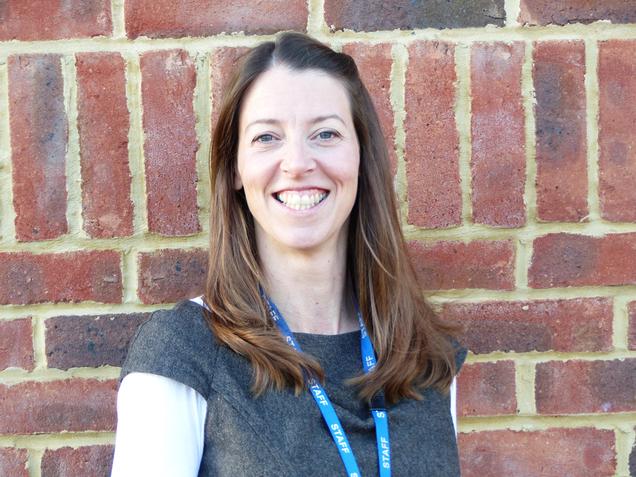
Deputy Designated Safeguarding Lead
Mrs Nicola Bryant (Deputy Headteacher)

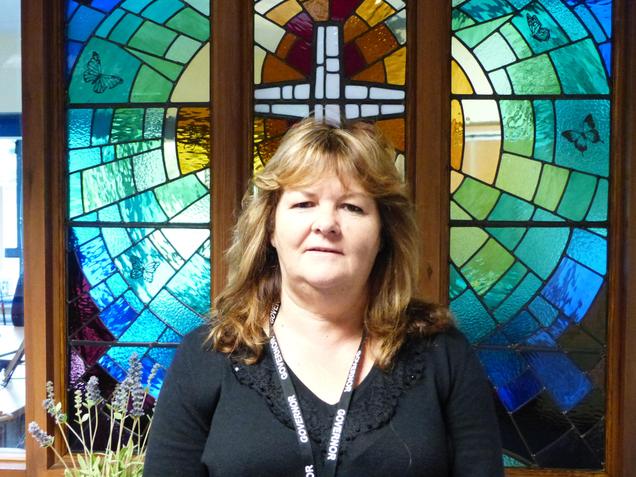
Safeguarding Governor
Mrs Jackie Bush