Art and Design
Curriculum Intent
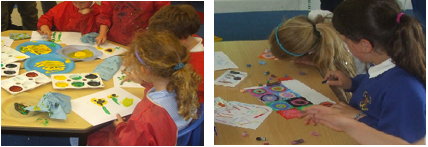
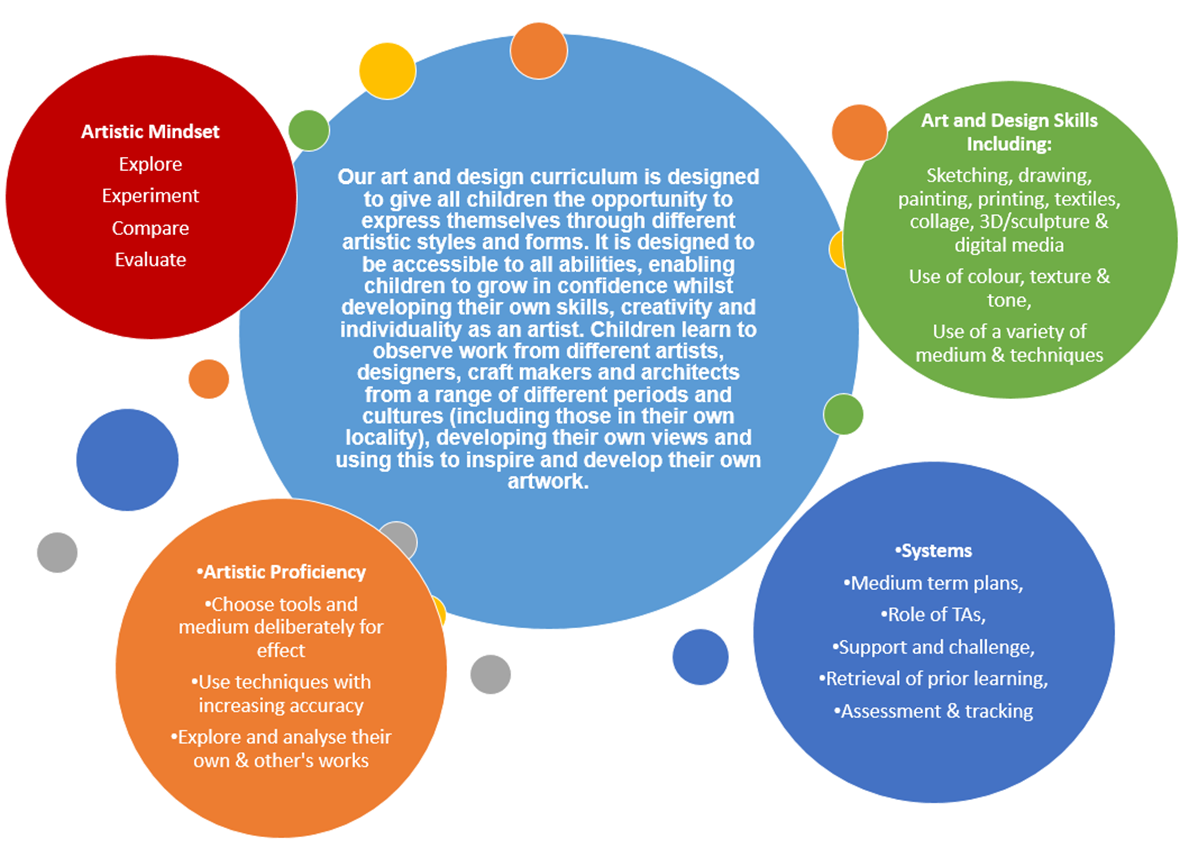
At Churchill CE Primary School we believe that art and design plays a vital part in our children’s education. We aim to inspire a love of creative learning within an inclusive art curriculum with space to explore our own imagination and ideas. Our well-structured lessons and ‘Art Days’ build on previous learning and use existing knowledge, whilst also allowing a creative freedom which embraces our own curiosities and interests. Our curriculum stimulates imagination and creativity, it allows children to become involved in a range of visual, tactile and sensory experiences, and allows them to communicate what they see, think and feel through the use of colour, texture, form and pattern. Children are consistently reminded that there is no right answer in art and design, and as with all subject areas, they are safe to make mistakes as these are an important part of learning in the creative process.
Art and Design promotes careful observation and an appreciation of the world around us. We are keen to take inspiration from the beautiful Mendips and surrounding areas as well as looking at the art of other cultures.
Our Art curriculum covers the knowledge outlined in the National Curriculum through broad, challenging and inspiring themes. Progression is planned across the whole school in knowledge, skills and vocabulary.
During lessons, we draw upon our Christian values and four key attitudes: be ready, be resilient, be responsible and be respectful where appropriate and necessary to encourage individuals.
Curriculum Implementation
In order to guarantee that we consistently deliver the essential knowledge, skills and understanding required across Key Stages 1 and 2 we have chosen to adopt the LSP Art and Design curriculum. This provides us with a clearly laid out framework of relevant learning intentions, activities, skills, knowledge, vocabulary and curriculum links, upon which we can build and add to, with a view to creating a more bespoke working document for our school.
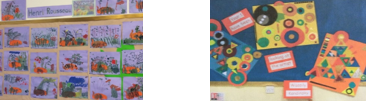
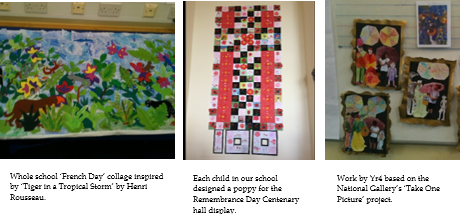
- Mixed media Henri Rousseau
- Kandinsky inspired collages in Yr1
- Tigers roaming in YR
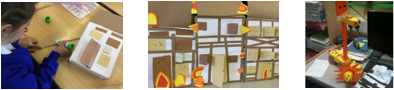
3-D Models from Year 2 based on The Great Fire of London and African Animals
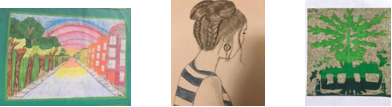
Perspective drawing skills, self portrait and relief printing block by Yr6
Assessment
Pupils are assessed at the end of each Art and Design unit. Alongside this summative assessment, teachers make judgements as part of their daily lessons and use adaptive teaching to meet the needs of their class.
From Year 1 the children receive an ‘Art and Design’ sketch book which they use to practice art skills and make notes. These books travel with them as they progress through the school from year to year. They are used by the children as a tool to help them to review and modify their skills and knowledge learnt from previous art and design units.
EYFS Provision
In Year R we aim to inspire a love of Art and Design and lay the foundations to ensure children meet the Early Learning Goals and are ready for Key Stage One. Throughout the year children will work in adult-led groups and independently to:
- Explore, use and refine a variety of artistic effects to express their ideas and feelings.
- Return to and build on their previous learning, refining ideas and developing their ability to represent them.
- Create collaboratively, sharing ideas, resources and skills.
- Develop their small motor skills so that they can use a range of tools competently, safely and confidently. For example, pencils for drawing and writing, paintbrushes, scissors, knives, forks and spoons.
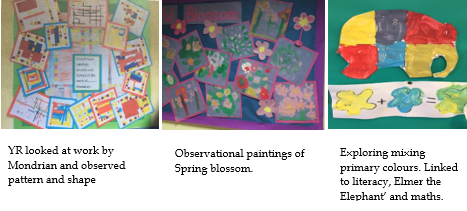
- Continue, copy and create repeating patterns.
The Early Learning Goals for Expressive Arts and Design indicate what the children should know, understand and be able to do by the end of the reception year. Learning is delivered by providing quality experiences and activities which will enable the children to:
- Safely use and explore a variety of materials, tools and techniques, experimenting with colour, design, texture, form and function.
- Share their creations, explaining the process they have used.
- Use a range of small tools, including scissors, paintbrushes and cutlery.
- Begin to show accuracy and care when drawing.
Art and Design is often interwoven through all seven areas of the EYFS Framework.
Impact
Through our curriculum provision, well-planned lessons, encouragement and enthusiasm, the children will achieve the levels of attainment they deserve. They will have built the resilience and determination to aim to produce high-quality final outcomes and be proud of what they achieve.
When the children leave our school we want them to have gained knowledge and appreciation of the work of a variety of artists, craftspeople and designers from a range of times and cultures and be able to apply what they have learnt to their own work. The children will have a bank of ideas and experiences logged in their ‘Art and Design ‘ books.
We want our children to realise that art is for everyone and offers the ability to communicate and express their ideas and feelings in many different ways.